2018 Life Plan:
- Identify what matters to you most.
- Work out what's missing in your life or career.
- Set attainable goals.
- Map out the steps to get there.
- Celebrate each milestone.
- Enjoy the success you deserve.
- Become an exceptional communicator.
- Make focused business decisions.
- Identify and solve problems
- Take clear and lasting control of your life.
- Achieve your most passionately held goals.
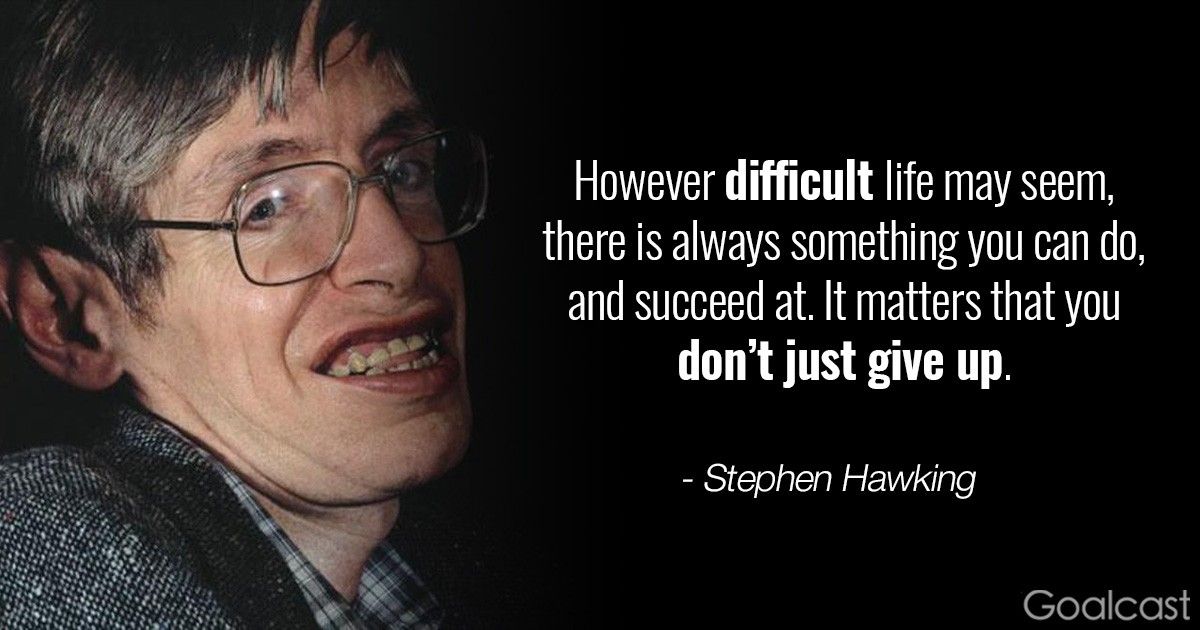
Persevere. Never give up.
Do you say "yes" when you want to say "no" to tasks, projects or favors?
SURVEY ANSWERS:
19% You're too soft
35% You feel pressured
29% Don't want to be disliked
17% Don't have a choice
35% You feel pressured
29% Don't want to be disliked
17% Don't have a choice
*********************************

Use Eisenhower's Urgent/important Principle to help you use your time effectively.
Eisenhower's Urgent/Important Principle
Using Time Effectively, Not Just Efficiently
Focus on your most important work.
Imagine that your boss has asked you to prepare an important presentation for the next board meeting.
You only have a few days to put it together, your workload is already high, and you have many other urgent tasks on your To-Do List. Because of this, you're anxious, you can't concentrate, and everything seems to distract you.
Time stressors are some of the most pervasive sources of pressure in the workplace, and they happen as a result of having too much to do, in too little time. So, how can you beat this stress, and deliver the things that are essential to doing a good job?
Eisenhower's Urgent/Important Principle helps you think about your priorities, and determine which of your activities are important and which are, essentially, distractions.
What Are "Urgent" and "Important" Activities?
In a 1954 speech to the Second Assembly of the World Council of Churches, former U.S. President Dwight D. Eisenhower, who was quoting Dr J. Roscoe Miller, president of Northwestern University, said: "I have two kinds of problems: the urgent and the important. The urgent are not important, and the important are never urgent." This "Eisenhower Principle" is said to be how he organized his workload and priorities.He recognized that great time management means being effective as well as efficient. In other words, we must spend our time on things that are important and not just the ones that are urgent.
To do this, and to minimize the stress of having too many tight deadlines, we need to understand this distinction:
- Important activities have an outcome that leads to us achieving our goals, whether these are professional or personal.
- Urgent activities demand immediate attention, and are usually associated with achieving someone else's goals. They are often the ones we concentrate on and they demand attention because the consequences of not dealing with them are immediate.
How to Use Eisenhower's Principle
To use this principle, list all of the activities and projects that you feel you have to do. Try to include everything that takes up your time at work, however unimportant. (If you manage your time using a To-Do List or Action Program, you will have done this already.)
Figure 1 – Eisenhower's Urgent/Important Principle
1. Important and Urgent
There are two distinct types of urgent and important activities: ones that you could not have foreseen, and others that you've left until the last minute.You can eliminate last-minute activities by planning ahead and avoiding procrastination
.
However, you can't always predict or avoid some issues and crises. Here, the best approach is to leave some time in your schedule to handle unexpected issues and unplanned important activities. (If a major crisis arises, then you'll need to reschedule other tasks.)
If you have a lot of urgent and important activities, identify which of these you could have foreseen, and think about how you could schedule similar activities ahead of time, so that they don't become urgent.
2. Important but Not Urgent
These are the activities that help you achieve your personal and professional goals, and complete important work.Make sure that you have plenty of time to do these things properly, so that they do not become urgent. Also, remember to leave enough time in your schedule to deal with unforeseen problems.
This will maximize your chances of keeping on track, and help you avoid the stress of work becoming more urgent than necessary.
3. Not Important but Urgent
Urgent but not important tasks are things that prevent you from achieving your goals. Ask yourself whether you can reschedule or delegate them.A common source of such activities is other people. Sometimes it's appropriate to say "no" to people politely, or to encourage them to solve the problem themselves. (Our article "'Yes' to the Person, 'No' to the Task"will help here.)
Alternatively, try to have time slots when you are available, so that people know they can speak with you then. A good way to do this is to arrange regular meetings with those who interrupt you often, so that you can deal with all their issues at once. You'll then be able to concentrate on your important activities for longer.
4. Not Important and Not Urgent
These activities are just a distraction – avoid them if possible.You can simply ignore or cancel many of them. However, some may be activities that other people want you to do, even though they don't contribute to your own desired outcomes. Again, say "no" politely, if you can, and explain why you cannot do it.
If people see that you are clear about your objectives and boundaries, they will often avoid asking you to do "not important" activities in the future.
Key Points
Eisenhower's Urgent/Important Principle helps you quickly identify the activities that you should focus on, as well as the ones you should ignore.When you use this tool to prioritize your time, you can deal with truly urgent issues, at the same time as you work towards important, longer-term goals.
To use the tool, list all of your tasks and activities, and put each into one of the following categories:
- Important and urgent.
- Important but not urgent.
- Not important but urgent.
- Not important and not urgent.
Source: https://www.mindtools.com/pages/article/newHTE_91.htm?utm_source=Twitter&utm_medium=social&utm_campaign=mtpage
************************************************
"It’s not that I’m so smart, it’s just that I stay with problems longer." -Albert Einstein
The most powerful way to win an argument is by asking questions. You'd be surprised at how it can make people see the flaws in their logic.
Last night I went to bed with a dream. This morning I woke up with a purpose.
The best time to plant a tree is 20 years ago. The second best time to plant a tree is now. #inspiration
Persevere. Never give up.
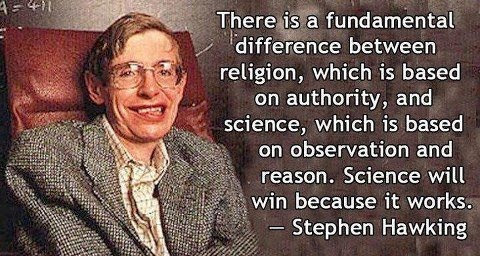
Stephen William Hawking, CH CBE FRS FRSA is an English theoretical physicist, cosmologist, author and Director of Research at the Centre for Theoretical Cosmology within the University of Cambridge. Wikipedia
Stephen Hawking:
The greatest enemy of knowledge is not ignorance, it is the illusion of knowledge.
Intelligence is the ability to adapt to change.
People who boast about their IQ are losers.
I have noticed even people who claim everything is predestined, and that we can do nothing to change it, look before they cross the road.
We are just an advanced breed of monkeys on a minor planet of a very average star. But we can understand the Universe. That makes us something very special.
My goal is simple. It is a complete understanding of the universe, why it is as it is and why it exists at all.
Life would be tragic if it weren't funny.
People won't have time for you if you are always angry or complaining.
We only have to look at ourselves to see how intelligent life might develop into something we wouldn’t want to meet,
Not only does God play dice, but... he sometimes throws them where they cannot be seen.




No comments:
Post a Comment